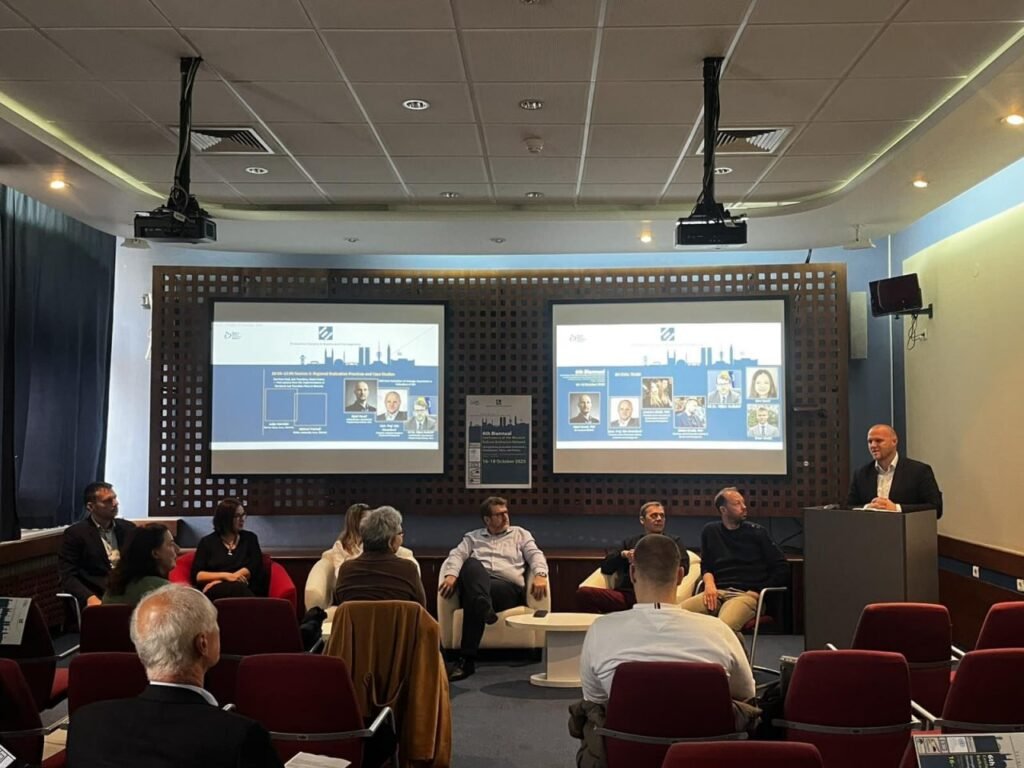
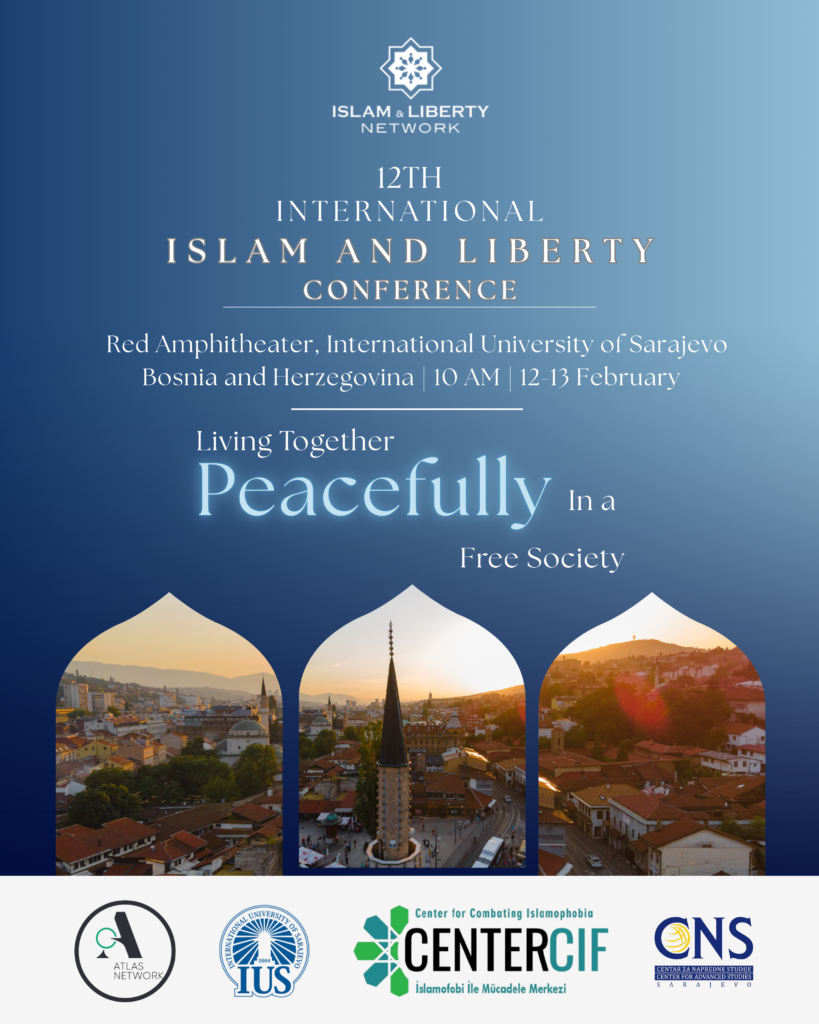
The 12th Islam and Liberty Conference marked an important moment both for the Islam and Liberty Network (ILN) and for Bosnia and Herzegovina. For the first time since its establishment in 2011, the conference was held in Bosnia and Herzegovina — and, notably, for the first time in a roundtable format.
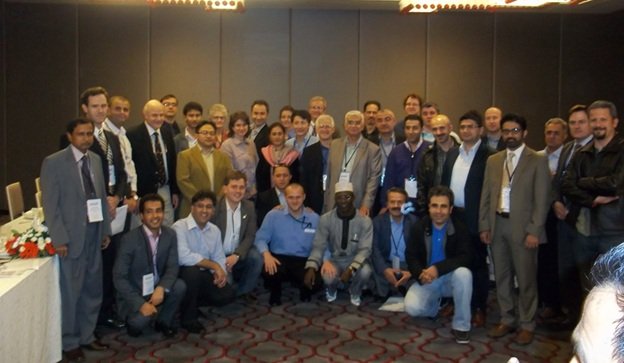
The Islam and Liberty Network was founded in Istanbul in 2011, initially under the name Istanbul Network for Liberty. The name was later changed to reflect both its international scope and its focus on exploring the Islamic perspective on religious, economic, and political freedom. From the outset, ILN has served as a platform for researchers, academics, and public intellectuals seeking to articulate a Muslim case for liberty through scholarly exchange and intellectual cooperation. I had the privilege of being among its founding members.
Over the years, ILN has organized eleven international conferences across Morocco, Pakistan, Turkey, Malaysia, and Indonesia. Bringing the conference to Bosnia and Herzegovina therefore represented a natural extension of its geographic and intellectual outreach — particularly given the country’s unique position at the intersection of Islamic heritage and European institutional frameworks.
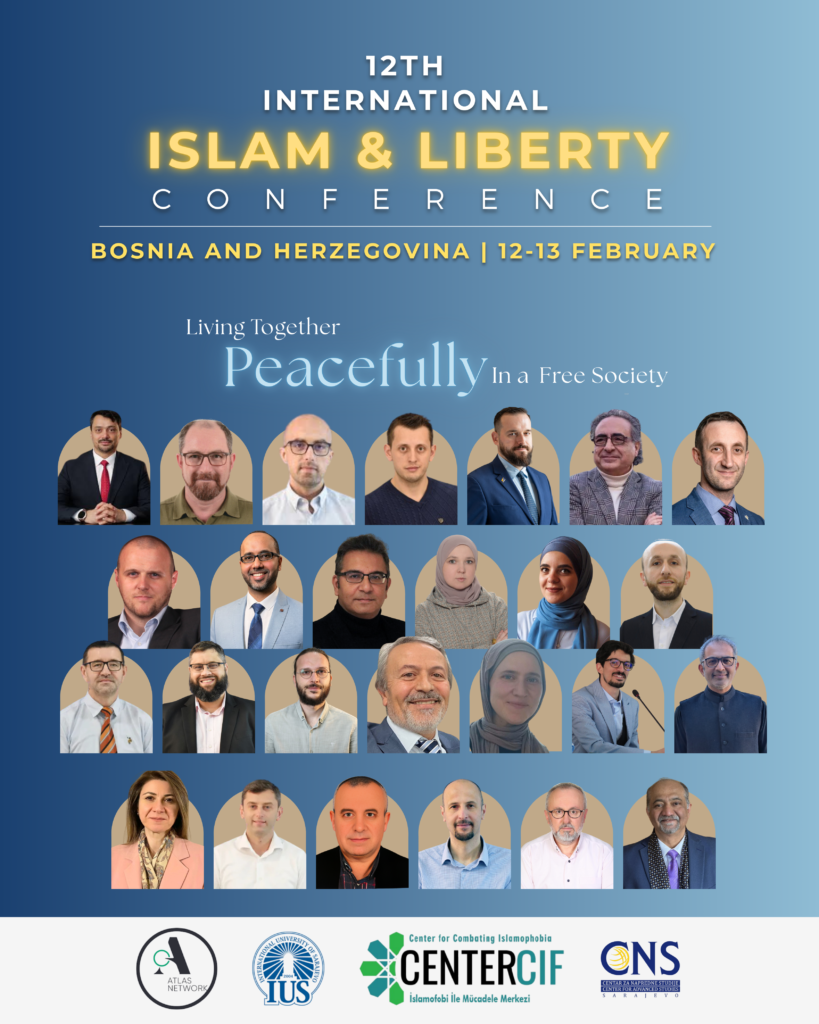
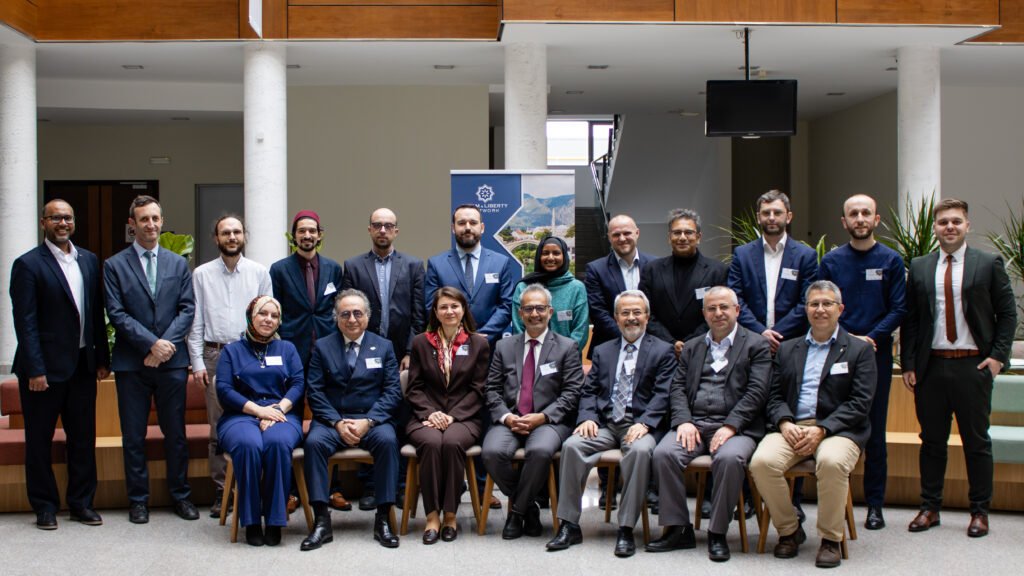
The conference was hosted by the International University of Sarajevo (IUS), where I am currently engaged as an assistant professor. Under the leadership of Prof. Dr. Ali Osman Kusakci, IUS provided full institutional support. Scholars from Bosnia and Herzegovina, alongside colleagues from Turkey, Albania, the Czech Republic, the United States, Pakistan, and the United Kingdom, joined the discussions.
The roundtable format allowed for more focused and interactive dialogue than traditional conference panels. The first day centered on Foundations, Markets, and Institutions, addressing questions related to economic governance, institutional design, and the normative underpinnings of liberty within Islamic thought. The second day explored Identity, Islamophobia, and Coexistence, examining contemporary challenges facing Muslim communities, particularly in European and Western Balkan contexts.
Rather than producing definitive conclusions, the discussions highlighted the importance of institutional quality, intellectual openness, and contextual sensitivity when engaging questions of freedom. In smaller societies with complex historical legacies, liberty cannot be reduced to abstract principles; it must be understood within concrete institutional and social realities.
Hosting the conference in Bosnia and Herzegovina carried both symbolic and substantive importance. My intention was not merely to expand the geographic reach of the network, but to introduce a Bosnian contribution to the broader debate — a perspective shaped by European Muslims with a long historical tradition of coexistence, institutional pluralism, and cultural tolerance. This includes not only Bosniaks, but also Albanian scholars and intellectuals, whose historical and societal position within Europe reflects similar experiences and challenges.
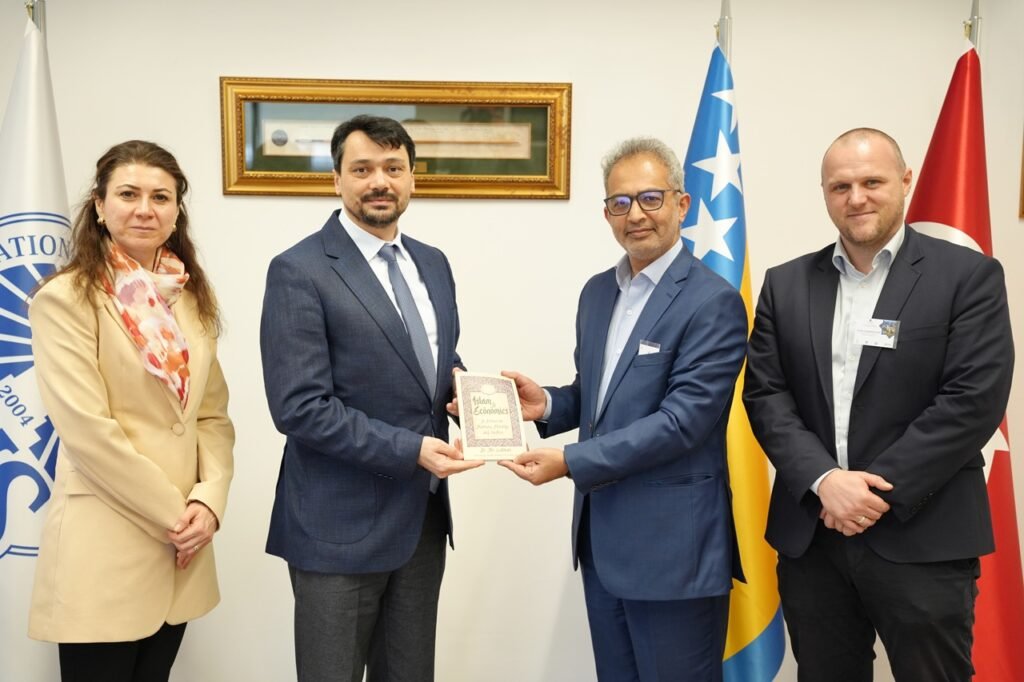
In addition, a formal meeting was held between the IUS Rector, Prof. Dr. Ali Osman Kuşakcı, and the leadership of the Islam and Liberty Network, during which discussions focused on the strategic ambitions of both institutions, their shared commitment to advancing research and dialogue on liberty and coexistence, and the prospects for more intensive academic and institutional cooperation in the future.
The 12th edition therefore stands out within the ILN series for another reason: for the first time, the majority of speakers were of European origin. This shift enriched the discussion by bringing forward interpretations of Islam and its practical implementation grounded in the lived realities of Muslim communities that are part of some of Europe’s oldest indigenous peoples. In that sense, the conference broadened the intellectual landscape of the network, adding a distinctly European Muslim voice to ongoing debates on liberty, identity, and institutional development.